
We’re stronger
when we’re connected.
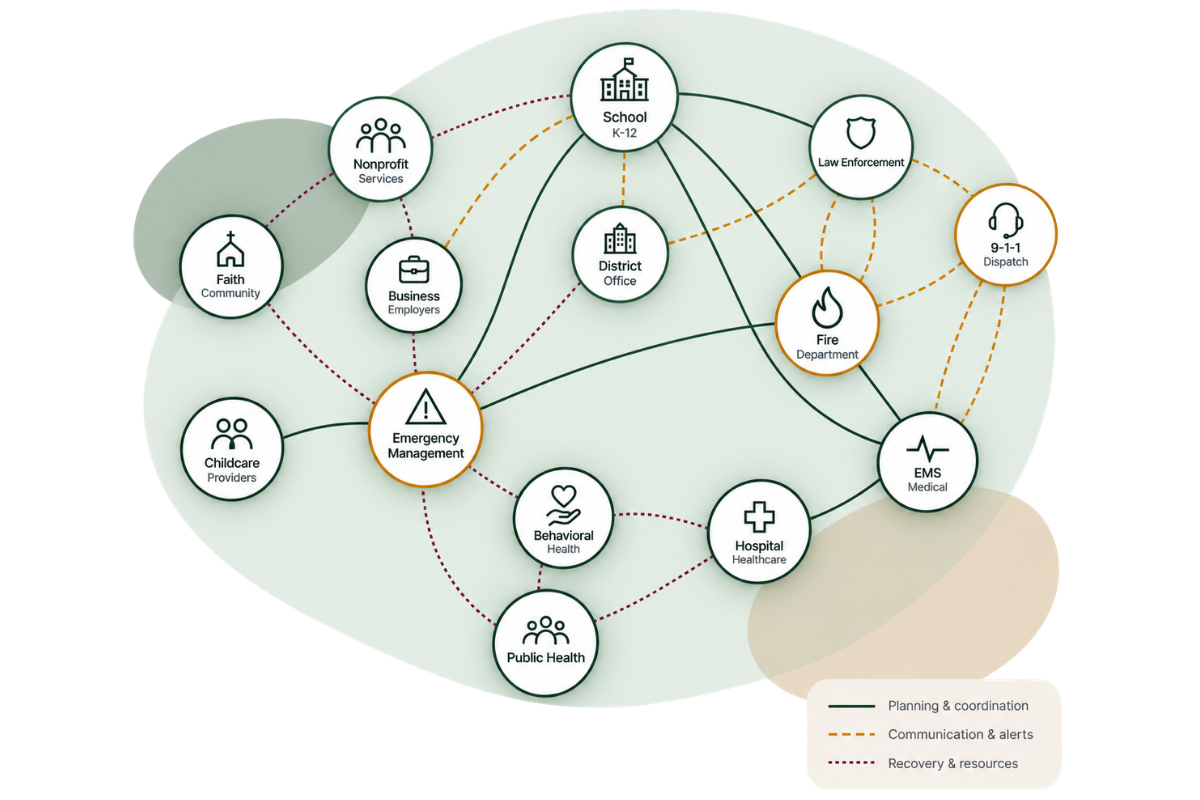
The Community Safety Network connects schools, public safety, and community partners to build safer, more resilient communities. It is not a product. It is a way of preparing together before an emergency tests the relationships.
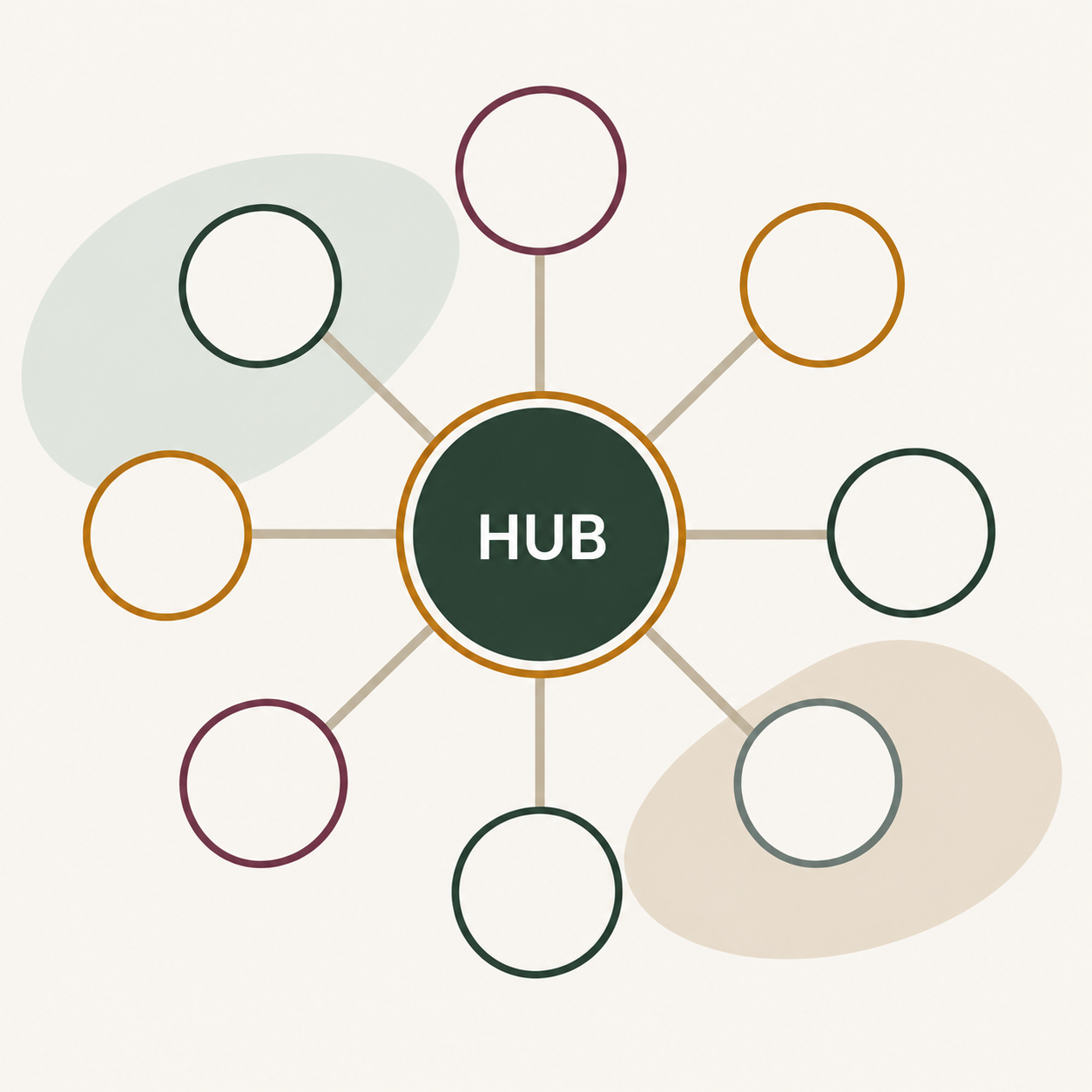
Hub-and-Spoke Safety
School → Dispatch → Whoever is on Duty
WHO THE SCHOOL KNOWS
A phone number
WHAT RESPONDERS HAVE SEEN
Nothing until they arrive
WHAT HAS BEEN PRACTICED TOGETHER
Usually nothing
WHERE TRUST LIVES
In the hope that the relay works
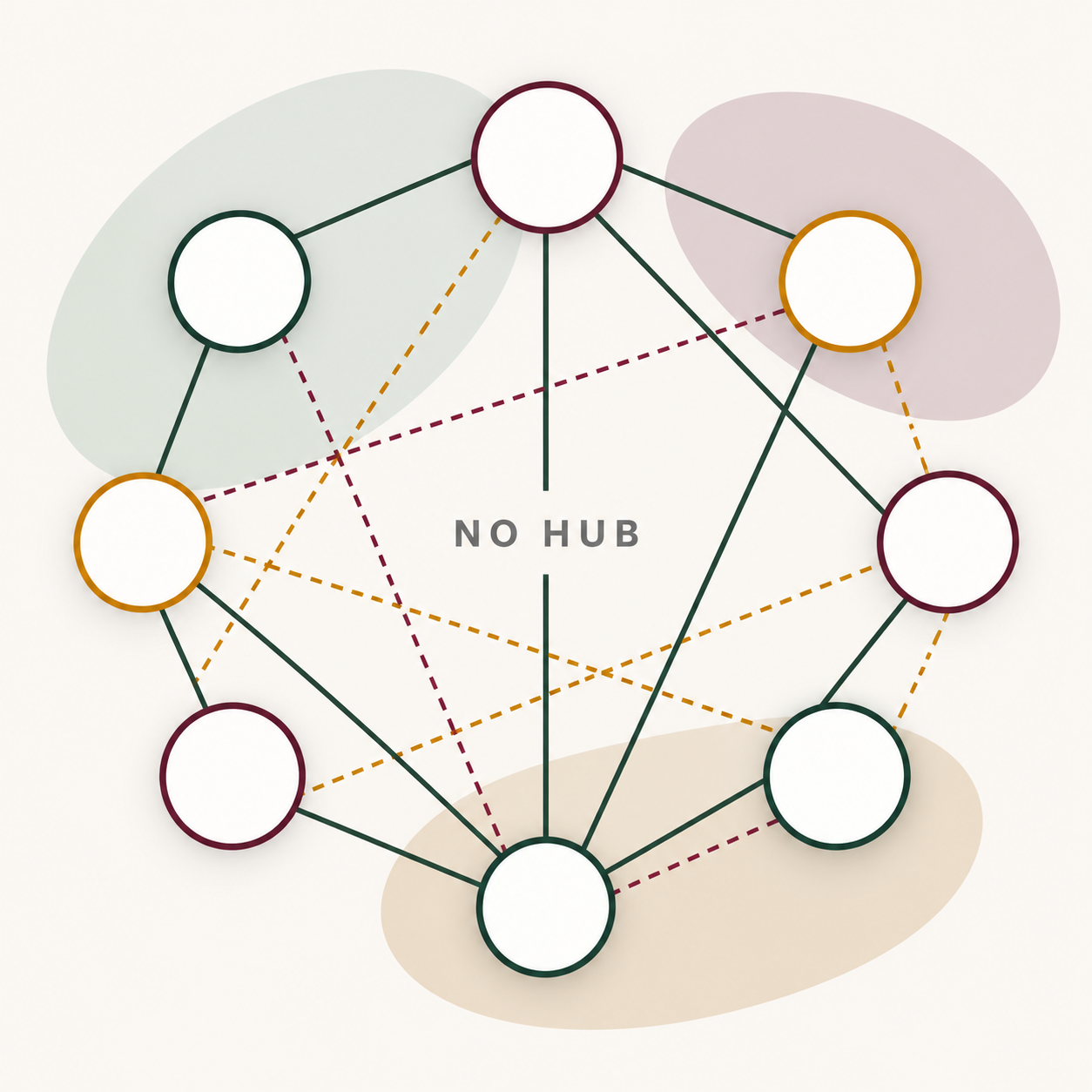
Interconnected Community Safety
School ↔ Every Primary Agency ↔ Community Partners
WHO THE SCHOOL KNOWS
Named contacts at police, fire, EMS, and emergency management, with backups
WHAT RESPONDERS HAVE SEEN
The current plan, maps, and contacts, shared before the call
WHAT HAS BEEN PRACTICED TOGETHER
Drills, tabletops, and handoffs, on a cadence
WHERE TRUST LIVES
In relationships that already exist when the alert comes
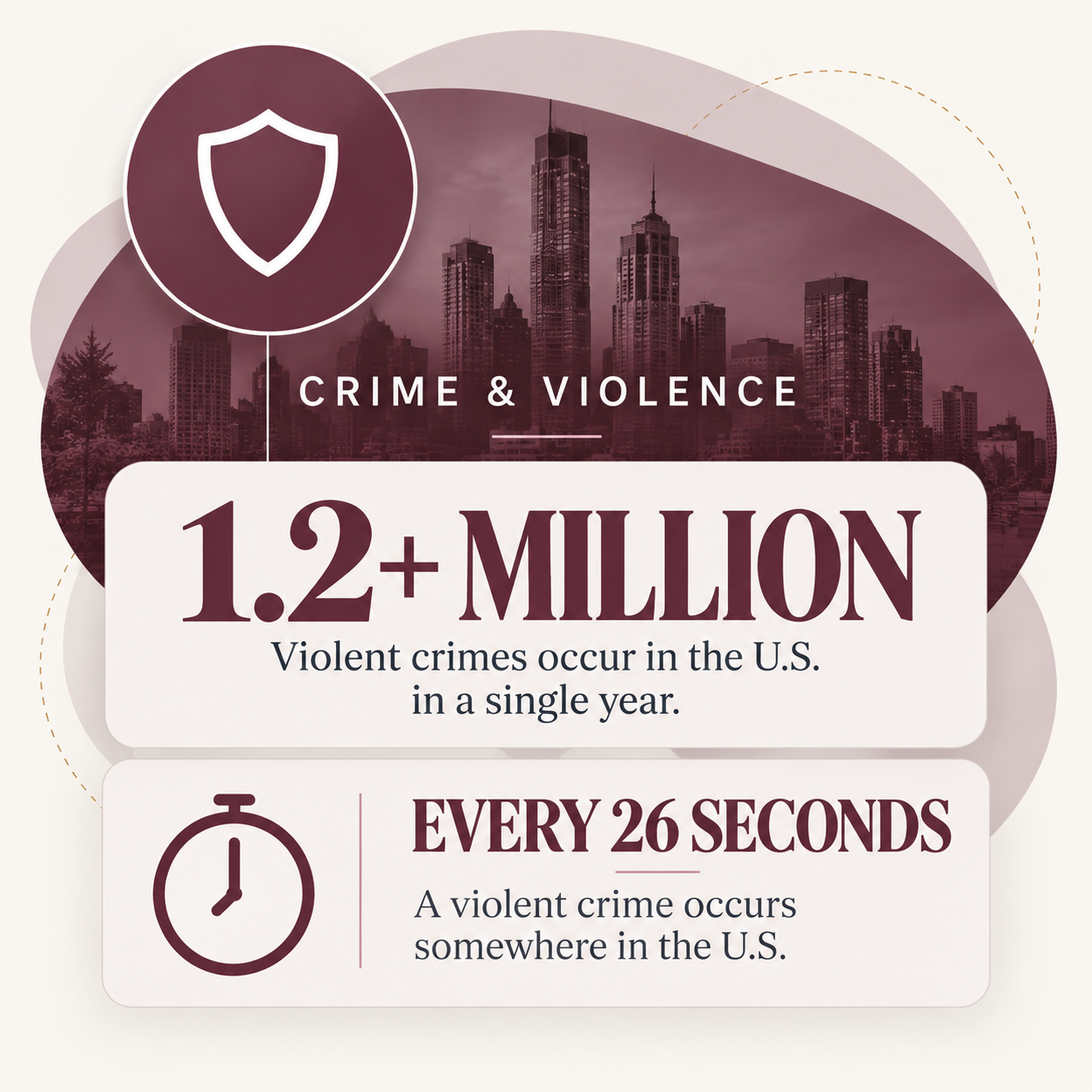
“For years, organizations have invested in tools designed to help them respond individually. But real safety has never been an individual effort. Schools need public safety. Public safety needs accurate information. Communities need communication and trust before an emergency happens. The Community Safety Network is our opportunity to bring those pieces together and create something much bigger — communities that are connected, prepared, and ready to protect one another.”